



















Anyone new to a medical cannabis dispensary quickly discovers that products come in more forms than they might have expected. The variety can be confusing, and the terminology does not always explain itself. This primer offers a general, educational overview of the most common product formats, written to inform readers broadly rather than to recommend anything. Maine operators such as Marijuanaville work within this product landscape, but nothing here speaks to what any product does for a person; those questions belong with a qualified healthcare provider.
Why Format Matters at All
The first thing to understand is that “cannabis” is not a single product but a category that takes many physical forms. Format refers to how a product is prepared and typically used. Because formats differ in how they are consumed and incorporated into a routine, knowing the basic categories helps a newcomer navigate a dispensary with more confidence.
This article describes what formats are, not what they do. People use different formats for different practical reasons, but any decision about suitability is individual and medical. With that framing in place, the common categories become much easier to understand.
Dried Flower
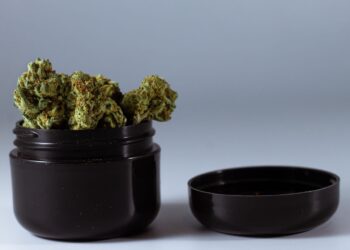
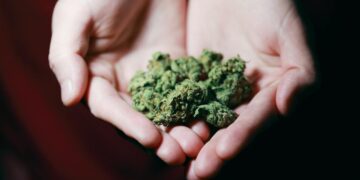
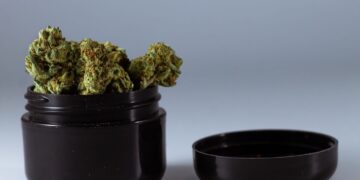
Dried flower is the form many people picture first when they think of cannabis. It is the cured plant material itself, typically sold by weight. As one of the most traditional formats, it is widely recognized and remains common in dispensaries.
For a newcomer, the main thing to understand about flower is that it is the unprocessed botanical product, as opposed to the various preparations derived from it. Dispensary staff can explain how it is generally handled and stored. Beyond those practical basics, whether it suits a particular person is a matter for that person and their healthcare provider, not a general overview.
Edibles
Edible products incorporate cannabis into something a person consumes by eating or drinking. This category covers a wide range of items, and it is popular in part because it does not involve inhalation. Edibles are usually sold in measured forms so that the amount in each item is known.
A key general point about edibles is that they tend to work on a different timeline than inhaled formats, often taking longer before any effect is noticed. This timing difference is the reason responsible information sources consistently urge patience and caution with edibles, and it is a topic a healthcare provider can discuss with an individual. The educational takeaway is simply that edibles behave differently from other formats in how they are used.
Oils and Tinctures
Oils and tinctures are liquid cannabis preparations, often packaged with a dropper or similar measuring tool. They occupy a middle ground in the product landscape, offering a measured, liquid format distinct from both flower and edibles.
The general appeal of this category is precision and discretion; the liquid form allows for measured amounts and is often used without the preparation that other formats require. As with every category here, the description stops at what the format is and how it is generally packaged. How a tincture might fit into any individual’s situation is a medical question, and dispensary staff appropriately defer such questions to healthcare providers.
Topicals
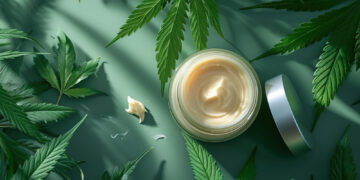
Topical products are formulated to be applied to the skin rather than consumed. They come as items such as balms, creams, and similar preparations. Topicals are a distinct category precisely because they are used externally, setting them apart from formats that are eaten, inhaled, or taken as liquids.
For educational purposes, the notable thing about topicals is simply that they exist as an external-use category within the broader product landscape. Many newcomers are not aware that such formats are part of the mix. Any further detail about their suitability or use for a given person is, once again, a conversation for that person and their healthcare provider.
Other Formats
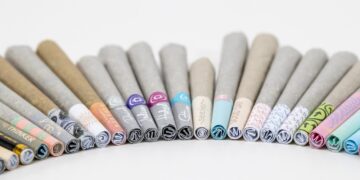
Beyond these main categories, dispensaries may carry additional formats that prepare cannabis in other ways. The product landscape has expanded over time, and the specific assortment varies from store to store and from state to state. A first-time visitor will not necessarily encounter every format in one place.
Rather than attempting an exhaustive catalog, the more useful point for a newcomer is that the categories above represent the common foundation, and that any given dispensary’s selection sits on top of that foundation. Staff at a store can walk through what is actually available there. Operators that run multiple locations, such as Marijuanaville in Maine, work to keep their selection consistent across sites, though selection naturally differs across the industry.
How to Use This Knowledge
The practical value of understanding formats is that it makes a dispensary visit less bewildering. A newcomer who knows the difference between flower, edibles, tinctures, and topicals can ask clearer questions and follow along more easily when staff explains what is on offer. That orientation is the entire purpose of a primer like this one.
What this knowledge does not do is answer the question of what a person should choose. That answer depends on individual circumstances and belongs in a discussion with a qualified healthcare provider. Format knowledge is background that supports a better conversation; it is not a substitute for professional guidance, and no responsible overview would present it as one.
Where to Learn More From Marijuanaville
Readers who want to understand how a particular store organizes its products can often find general information through a dispensary’s public resources. A Maine operator like Marijuanaville, for instance, maintains an online presence where readers can see how a multi-location company presents itself; resources such as Marijuanaville’s website or its Facebook page provide that context. Browsing a store’s locations and general information can help a newcomer feel more prepared before a first visit.
These resources are useful for understanding how a store works and what it offers in general terms. A reader should consult their state’s official program; for anything touching their health, a qualified healthcare provider. Approached with that division of sources in mind, learning about product formats becomes a calm, manageable first step rather than an overwhelming one.
Frank Berenyi is the founder of Marijuanaville, a medical cannabis company operating 13 locations across Maine. He launched the company in 2022 with a focus on making medical cannabis more accessible and affordable for patients across the state, drawing on years of experience building and operating customer-facing businesses in Maine.