
























Cannabinoid products are becoming more specific about what each serving contains and how those ingredients relate to one another. Instead of promoting a single familiar compound, many brands now highlight ratios designed for different routines and preferences.
That shift can give consumers more control, but the numbers only help when labels are clear. Understanding formulations, serving sizes, and product testing is the first step toward deciding if ratio-based plant wellness products deserve a place in your routine.
Moving Past Single Cannabinoid Isolates
Single-compound isolates offer simplicity, especially for someone who wants to avoid other cannabinoids. Still, plants naturally contain a wider mix of compounds, and manufacturers can combine selected cannabinoids in precise amounts. Formulation also covers carrier ingredients, flavoring and the way a product is delivered. This overview of CBD formulation basics explains why the formula and the product format are separate considerations.
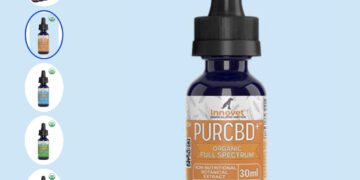
A gummy, oil and capsule can contain the same listed quantity while producing different user experiences. Digestion time, serving consistency and individual sensitivity all matter. Start by identifying the compounds present, then check the amount of each one per serving.
Decoding the Meaning of Product Ratios
A ratio shows the relative amount of one cannabinoid compared with another. In a 1:1 product, the two named compounds appear in equal quantities. A 2:1 formula contains twice as much of the first listed compound. The actual milligram amounts still matter, since a 1:1 product could contain 2.5 milligrams of each or 20 milligrams of each.
When comparing CBD and THC gummies, read the full product panel instead of relying on the ratio alone. A clear cannabinoid ratio guide can help explain common formulations. Confirm which compound comes first, how many pieces equal one serving and how many total servings are included.
The Practical Value of Balanced Bites
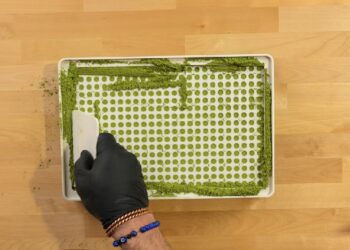
Edible formats make ratios easier to follow because each piece should contain a measured amount. A balanced bite may suit someone who values consistent portions and doesn’t want to measure liquid before every use. It can also simplify routine tracking. If one gummy contains 5 milligrams of one compound and 5 milligrams of another, recording the serving is straightforward.
Effects from edibles can take time to appear and may last for several hours. Avoid taking another serving too quickly. Keep a simple note with the product, time and amount used. This makes patterns easier to spot without guessing and helps prevent accidental overconsumption.
What Discerning Consumers Should Expect
A trustworthy label should identify each cannabinoid in milligrams per serving, list all ingredients and provide a batch number tied to independent laboratory results. The test report should match the product’s stated cannabinoid levels while screening for contaminants such as heavy metals, residual solvents and microbes. Packaging should also show an expiration date and clear storage directions.
Watch for vague ratio claims that omit milligram amounts or product pages that make sweeping promises about pain, anxiety or sleep. Cannabinoid products affect people differently and shouldn’t replace medical care. Check local rules, speak with a health professional if you take medication and keep all edibles secured away from children and pets. The future of ratio formulations will depend less on catchy numbers and more on transparent labels that let consumers see exactly what each bite contains.